
A fashion journey from initial acquaintance to mutual benefit
Introduction
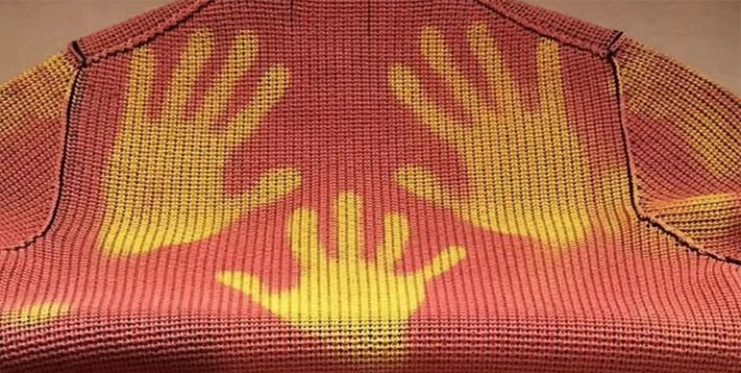
As a game-changing smart textile technology, colour changing streetwear has evolved from a niche runway novelty into a mainstream trend for forward-thinking men’s fashion brands. Unlike traditional cotton, polyester, or blended fabrics that retain fixed colors and patterns forever, heat-reactive garments dynamically shift hues, reveal hidden graphics, and unlock new visual layers in response to body heat, ambient temperature, and physical contact.
For men’s streetwear labels, casual apparel lines, and premium urban fashion brands, integrating thermochromic fabric into product collections solves one of the biggest industry pain points: limited product uniqueness. In this complete guide, we break down exactly how heat-reactive clothing works, why it dominates modern men’s streetwear, its core applications, pros, limitations, and how brands can leverage this innovative material to boost sales, social media engagement, and brand differentiation.
What Is Thermochromic Fabric?
Thermochromic fabric is a specialized smart textile engineered with temperature-sensitive pigments that change color at pre-set temperature thresholds. Shortened to heat-reactive fabric in the fashion industry, it is the core material behind all heat reactive clothing and trending colour changing streetwear pieces popular in men’s urban fashion.
Traditional men’s streetwear relies on fixed screen prints, solid colorways, and static patterns. Once produced, the visual look of a hoodie, tee, jacket, or jogger remains unchanged for its entire lifespan. Thermochromic textiles flip this concept entirely. The fabric stays in a base color or hidden state at cool temperatures and transforms into vibrant colors, bold logos, camouflage prints, or custom graphics when warmed up.
The temperature activation trigger comes from three common real-world sources for men’s daily wear: body heat from movement and skin contact, rising outdoor or indoor ambient temperatures, and hand touch friction. This means every colour changing streetwear piece delivers a unique, personalized visual experience for every wearer.
How Does Heat-Reactive Clothing Work?
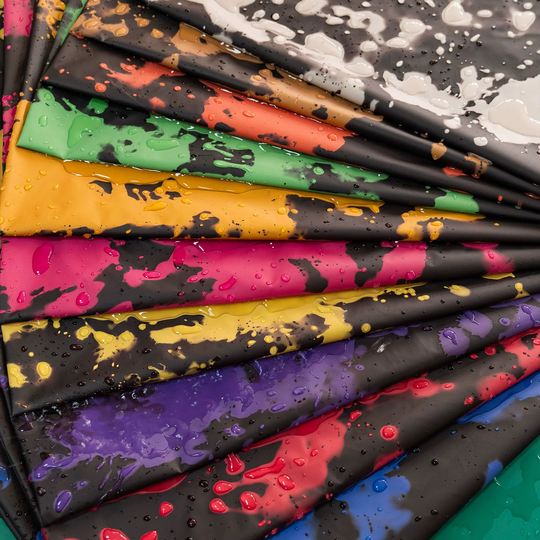
To understand why thermochromic fabric performs so well in men’s streetwear, it is essential to unpack its underlying textile technology. The color-shifting magic stems from micro-encapsulated thermochromic pigments embedded on or within the fabric structure.
These microscopic pigment capsules contain temperature-responsive molecular compounds. At low temperatures, the molecules remain in a stable state, displaying the garment’s base color. When the temperature rises above the calibrated activation point (typically 20°C to 32°C for daily streetwear), the molecular structure rearranges, altering light absorption and reflection to produce a vivid color change. When the temperature cools down, the fabric reverts to its original appearance, creating a reversible, repeatable transformation effect.
For men’s apparel manufacturing, brands use three reliable production methods to create high-quality heat reactive clothing:
1. Thermochromic Pigment Screen & Digital Printing
This is the most cost-effective and versatile method for mass-producing men’s colour changing streetwear. Brands print custom heat-sensitive pigments onto standard cotton, French terry, and polyester fabrics. Designers can precisely control activation temperatures, create partial hidden patterns, or achieve full-garment color fading effects, perfect for graphic tees, hoodies, and casual jackets.
2. Integrated Fiber Dyeing Technology
For premium, high-durability men’s streetwear lines, manufacturers infuse thermochromic materials directly into synthetic fibers during production. This method delivers longer-lasting color-changing performance than surface printing, resists repeated washing and daily friction, and maintains the soft, breathable feel essential for men’s everyday casual wear.
3. Advanced Textile Coating
Professional heat-reactive coating is applied to durable outdoor streetwear fabrics like nylon and polyester blends. This technique is ideal for men’s windbreakers, street-style outerwear, and technical urban apparel, balancing weather resistance and interactive color-shifting functionality.
Why Thermochromic Fabric Dominates Modern Men’s Streetwear
Men’s streetwear consumers prioritize exclusivity, futuristic aesthetics, and wearable uniqueness. In a market flooded with identical graphic tees, monochrome hoodies, and repetitive logo designs, heat reactive clothing and colour changing streetwear offer unmatched competitive advantages for fashion brands.
1. Unmatched Product Exclusivity & Personalization
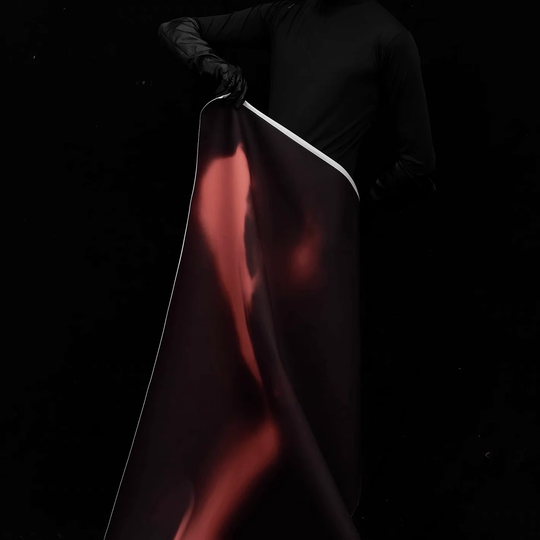
A single garment made of thermochromic fabric can showcase multiple visual styles. A black streetwear hoodie may stay minimalist and subtle in cool weather but reveal bold neon logos, geometric patterns, or gradient colorways during workouts, outdoor activities, or warm indoor environments. For male consumers who want to stand out without over-the-top designs, this adaptive style is infinitely appealing.
2. Viral Social Media & Marketing Potential
Content creation drives modern streetwear culture, and colour changing streetwear is inherently shareable. The dynamic heat-activated transformation creates eye-catching video and photo content perfect for Instagram, TikTok, and YouTube. Brands launching heat reactive clothing lines gain organic social traction, higher user engagement, and free viral marketing that static apparel simply cannot generate.
Top Applications of Heat-Reactive Clothing in Men’s Fashion
Thermochromic fabric is no longer limited to experimental runway pieces. It has become a practical, marketable material for core men’s streetwear categories, with proven consumer demand across the following product lines:
Men’s Graphic T-Shirts
Heat-reactive tees are the most popular entry-level colour changing streetwear product. Hidden slogans, abstract graphics, and brand logos appear with body heat, turning basic everyday tees into interactive statement pieces.
Street Hoodies & Sweatshirts
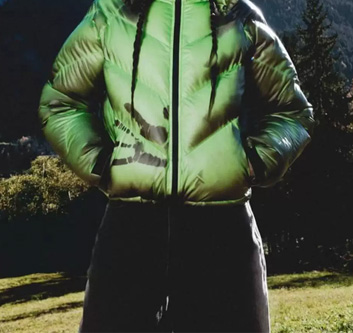
Oversized hoodies are a staple of men’s urban fashion. Thermochromic hoodies feature temperature-activated color shifts on sleeves, chest panels, or full garment surfaces, elevating casual loungewear to high-end trendy streetwear.
Urban Outerwear & Windbreakers
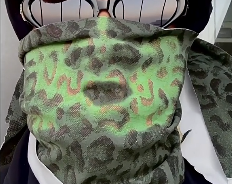
Lightweight men’s street jackets and windbreakers use durable heat-reactive coatings to deliver outdoor-ready functionality and dynamic visual effects, ideal for seasonal streetwear collections.
Athleisure & Sport Streetwear
Combining performance and style, heat reactive clothing activewear changes color with body heat generated during exercise, creating a unique visual connection between the wearer’s movement and garment appearance.
Key Advantages of Thermochromic Fabric for Men’s Fashion Brands
1. Zero Design Limitations
Designers can create dual-style, multi-layered visual designs that static fabrics cannot achieve. From subtle tone shifts to dramatic hidden pattern reveals, thermochromic fabric unlocks unlimited creative possibilities for men’s minimalist and bold streetwear styles.
2. Enhanced Consumer Experience
Modern shoppers seek interactive products rather than passive clothing. colour changing streetwear encourages physical interaction—wearers can actively trigger color changes through movement, touch, or temperature shifts, creating a memorable, immersive wearing experience that builds brand loyalty.
3. Strong Market Differentiation
Most men’s streetwear brands compete on price and basic design. Adopting heat reactive clothing technology allows brands to compete on innovation, product uniqueness, and user experience, supporting higher price points and limited-edition product launches.
Frequently Asked Questions (FAQ)
1.What temperature triggers thermochromic fabric color changes?
Most streetwear-grade heat reactive clothing activates between 20°C and 32°C. Colors appear when warm and revert to the original base color when cooled. Brands can customize temperature thresholds during production.
2.Are thermochromic color changes reversible?
Yes. The color-shifting effect is fully reversible and repeats with temperature changes. Quality gradually fades after many washes and long-term sun exposure.
3.How many washes does heat-reactive clothing last?
Premium thermochromic fabric lasts 15–30 gentle washes. Hot water, harsh detergent, and tumble drying significantly reduce lifespan.
4.Which fabrics work best for thermochromic printing?
Cotton, polyester, nylon, and blended fabrics deliver the best results. Ultra-thin stretch fabrics are less ideal for heavy heat-reactive prints.
5.Can I create hidden custom patterns on streetwear?
Yes. Partial thermochromic printing creates hidden logos, chest graphics, and sleeve designs. It is the most popular style for modern colour changing streetwear.
6.Are thermochromic pigments skin-safe?
Certified textile-grade pigments are non-toxic and safe for direct skin contact on tees, hoodies, and daily apparel.
7.Why does my heat-reactive garment stop changing color?
Common reasons include insufficient heat, pigment aging after repeated washes, or long UV exposure. Cold washing and shade drying preserve performance best.
Final
Thermochromic fabric is more than a temporary fashion trend—it is a revolutionary textile technology that redefines men’s streetwear. Heat reactive clothing and colour changing streetwear transform ordinary garments into interactive, adaptive, and shareable fashion pieces that resonate with modern male consumers.
In an era where fashion and technology collide, adaptive, responsive apparel is the future. For men’s brands looking to innovate, differentiate, and captivate modern audiences, thermochromic smart textiles are the ultimate competitive edge.




 contact@aqii.group
 +86 13777583786
