
A fashion journey from initial acquaintance to mutual benefit
The main difference between Applique Embroidery and 3D Embroidery lies in their use of materials. Applique Embroidery adds fabric pieces to create bold shapes, while 3D Embroidery uses raised stitches and foam to achieve a sculpted, dimensional look. Both Applique Embroidery and 3D Embroidery make your designs stand out and offer unique textures. If you’re interested in exploring these embroidery styles or need assistance with custom projects, visit AQII Clothing Manufacturer for expert help. Many people compare Applique Embroidery and 3D Embroidery when deciding which style best suits their needs.
Key Takeaways
Applique Embroidery uses fabric pieces for bright designs. 3D Embroidery uses foam to make designs look raised. Choose Applique for big logos and patches. Pick 3D Embroidery for hats and designs that pop out. Applique costs less and is faster to make. It works well for large projects. 3D Embroidery lasts longer and feels special. Both styles need gentle washing and care. Wash them inside out with cold water. Hang them up to dry. Try mixing both styles for cool new designs. You can get the best of Applique and 3D Embroidery.
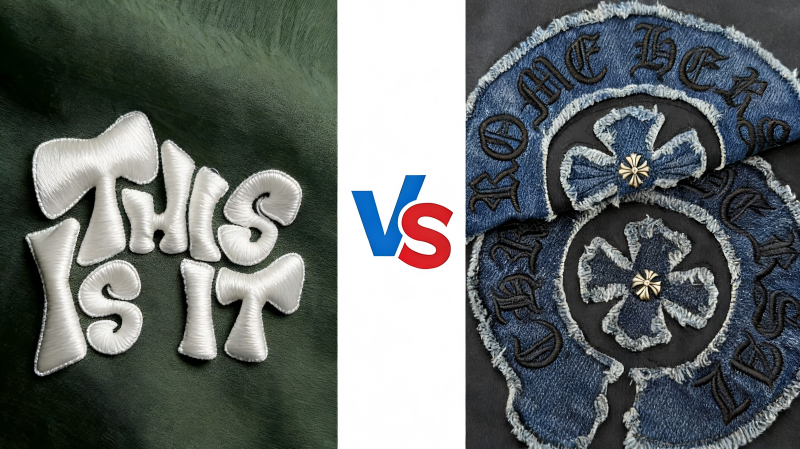
You might wonder how Applique Embroidery and 3D Embroidery are different. They use different techniques, look different, cost different amounts, last differently, and work best for different things. The table below helps you compare them quickly:
Feature | Applique Embroidery | 3D Embroidery |
|---|---|---|
Technique | Layering fabric pieces, stitching, and trimming | Using foam or organza under stitches for raised effect |
Appearance | Bold shapes, flat or slightly raised, colorful fabrics | Sculpted, puffy, highly dimensional designs |
Cost & Time | Moderate cost, faster for large areas | Higher cost, more time for complex raised details |
Durability | Durable with tight stitches, may fray at edges | Very durable, holds shape after many washes |
Best Uses | Logos, patches, large graphics, kids’ wear | Caps, sportswear, statement logos, decorative accents |
Applique Embroidery and 3D Embroidery use different ways to make designs.
Applique Embroidery steps:
Put your design into the embroidery machine.
Hoop the fabric so it stays in place.
Stitch the outline of your design.
Add and stitch the fabric for texture.
Cut away extra fabric with a laser.
Add stitches to hold everything together.
Check and finish the product.
3D Embroidery uses foam or organza under the stitches. The machine sews over these materials to make the design puff up. You might need extra tools like water-soluble stabilizers, spray glue, or a hot glue gun for special effects.
Look and Texture
Applique Embroidery gives bold shapes and bright layers. You can use velvet, felt, or cotton blends for texture. Sometimes, you can add buttons, beads, or sequins for more style. This method works well for big, eye-catching designs.
3D Embroidery looks sculpted and raised. Foam under the stitches makes the design stand out. You can feel the difference when you touch it. This style is best for logos or letters that need to pop.
Tip: Mix textured fabrics and 3D parts to make your embroidery more fun.
Applique Embroidery usually costs less and is faster, especially for big designs. The machine covers large areas quickly by using fabric pieces.
3D Embroidery costs more and takes longer. You need to add foam, use special stabilizers, and sometimes finish by hand. These extra steps make it take more time and cost more.
Both Applique Embroidery and 3D Embroidery can last a long time if you take care of them. Applique Embroidery stays strong with tight stitches, but the edges might fray after many washes. You can stop this by trimming carefully and using good thread.
3D Embroidery keeps its shape even after many washes. The foam inside helps the design stay puffy and fresh. This makes it great for things you use a lot, like hats or jackets.
Pick Applique Embroidery for:
Big logos or patches
Kids’ clothes
Home decorations
Designs with bold shapes and colors
Pick 3D Embroidery for:
Baseball caps and sports clothes
Statement logos on jackets or bags
Designs that need a raised look
Decorative accents that stand out
If you want custom clothes or accessories, both Applique Embroidery and 3D Embroidery can help your designs stand out.
Applique Embroidery uses layers of fabric on a base. You hold them together with stitches. This lets you make bold designs with many colors and textures. You need some basic tools to start. These include an embroidery machine, fabrics, stabilizer, glue, thread, scissors, and an iron. Here are the main steps you follow:
Get your materials like fabric, thread, and templates.
Put fusible interfacing on the fabric before cutting.
Hoop the stabilizer and base fabric, then add your design.
Stitch the outline to show where to place the fabric.
Put the applique fabric inside the outline and stitch it down.
Cut off extra fabric and finish with fun stitches.
You can use cotton, denim, felt, silk, or canvas for applique. Cotton is easy to cut and sew, so it works well. Felt is good for beginners because it does not fray.
Applique Embroidery stands out because it adds real fabric layers. This makes your design look raised and you can feel it. Regular embroidery uses only thread and looks flat. Applique gives your project a bold look. The fabric you pick changes how it looks. Velvet feels soft, and denim feels strong. You can mix fabrics for cool textures. Many people like applique because it looks handmade and brings designs to life.
Tip: Mix applique with 3D Embroidery for even cooler designs.
You see Applique Embroidery in lots of places. It works great for shirts, hats, and sweatshirts. People use it to decorate bags and towels. At home, applique makes quilts, pillows, and wall art special. This method is perfect for big shapes, bright colors, or a unique touch.
Clothing: Shirts, hats, sweatshirts
Accessories: Bags, towels, pouches
Home Decor: Quilts, pillows, wall art
Applique Embroidery gives you many ways to be creative and make your projects pop.
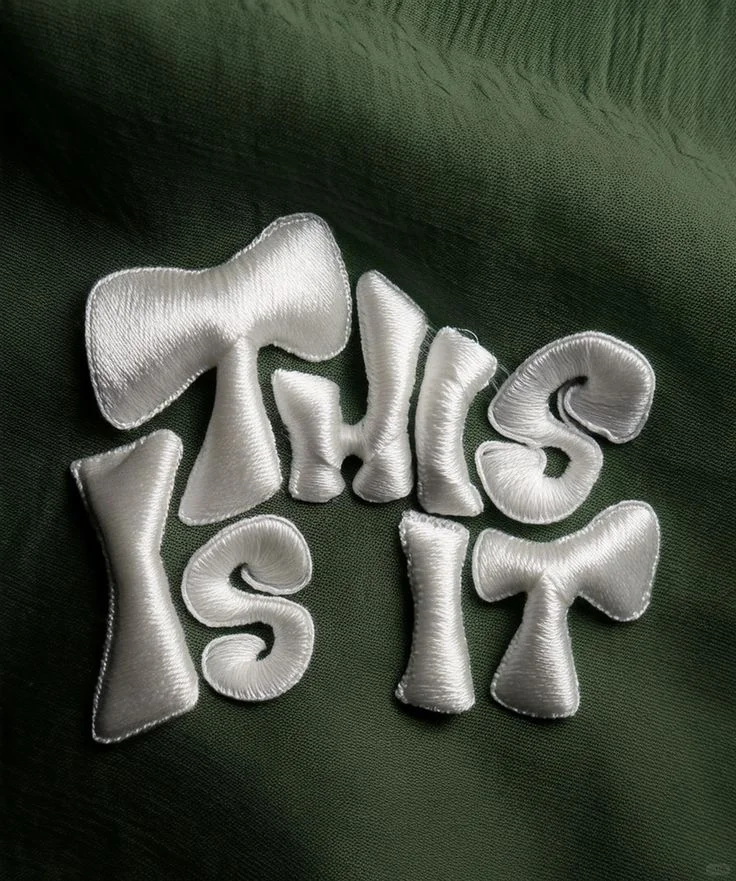
You can create eye-catching designs with 3D Embroidery by following a series of steps. The process uses foam to make your design stand out from the fabric. Here is how you do it:
Set up your embroidery machine and digitize your design for foam. Use satin columns and set the stitch spacing to about 0.16 mm.
Turn off underlay stitches for foam sections. Add tack-down stitches first to keep the foam in place.
Cap the ends of each column to trap the foam and stop it from unraveling.
Insert a stop command so the machine pauses before stitching foam sections.
Cut foam slightly larger than your design and float it on top of the hooped fabric. Use a light adhesive spray or tape to hold it.
Match the foam color to your thread for a clean look.
Run tack-down stitches to anchor the foam, then stitch the satin cover at the right density.
Clean up by using tweezers to tuck in foam bits. Apply gentle heat to shrink any stubborn pieces.
You need special materials for 3D Embroidery. These include embroidery hoops, foam, sharp needles, stabilizers, and threads. You may also use beads, wire, or sequins for extra effects.
3D Embroidery creates a sculpted look that you can see and feel. The foam under the stitches lifts the design above the fabric. This effect makes light and shadow play across your design, making it more noticeable than flat embroidery. Flat embroidery stays smooth and blends with the fabric, while 3D Embroidery stands out and grabs attention.
Tip: Use 3D Embroidery for logos or letters that need to pop on hats or jackets.
You will find 3D Embroidery in many products and industries. Sports teams use it for logos and numbers on uniforms. Fashion designers add it to dresses and jackets for a luxury touch. Companies use it for branding on shirts, caps, and jackets. You can also see it in home decor, such as cushion covers and wall art.
Industry | Use of 3D Embroidery |
|---|---|
Fashion | Adds a luxurious touch to apparel, especially in high-end fashion. |
Corporate Branding | Embroiders logos on shirts, caps, or jackets for brand identity. |
Sports | Applies logos and numbers on jerseys and caps, showing energy and strength. |
Many popular products feature 3D Embroidery, such as flower lace appliques, ribbon kits, and embroidered patches. The chart below shows the latest sales volume for these items:
If you want to try 3D Embroidery or Applique Embroidery for your own designs, you can find AQII Clothing Manufacturer.
There are many good things about using Applique Embroidery:
You can save money. Applique costs about $1–3 for each square inch. This is cheaper than dense embroidery, which costs $2–5 for every thousand stitches.
You can finish big designs faster. Applique uses fewer stitches, so it takes less time to make.
You can make bold and textured designs. Applique adds real fabric layers. This makes your work stand out with bright colors and depth.
You have lots of creative freedom. You can try different shapes and sizes. You can mix fabrics and use new patterns. This lets you make simple or detailed designs.
You can make special, one-of-a-kind pieces. Every fabric, color, and size you pick shows your own style.
You can add depth and texture to your work. Applique is great for big logos, patches, and home decorations.
Note: More people want custom and textured designs. Applique Embroidery is a fun way to add creativity and texture to your projects.
Applique Embroidery has some problems you should know about. The table below shows what people often say:
Drawback Type | Description |
|---|---|
Wash Performance | Not good for lots of washing; edges can fray over time. |
Durability | Glue may not last after many washes; not very breathable. |
Design Constraints | Takes a lot of work; needs skill or special tools. |
Edge Issues | Edges can lift or fray, especially if not finished well. |
Texture Sensitivity | Thick backing can feel rough on your skin. |
Washability Issues | Cheap or fused appliques can break down in hot washes. |
Common Complaints | People often complain about peeling or fraying after washing. |
You might see that applique does not always last after many washes. The edges can fray or lift, especially if you use cheap materials or do not finish carefully. Some people think thick applique feels rough on clothes. You also need skill and the right tools to do it well.
If you want a bold and creative look and do not mind taking care of your project, Applique Embroidery is a good choice. If you need something stronger or want a raised look, you can also think about 3D Embroidery.
You can make your designs stand out with 3D Embroidery. This method gives your work a bold, raised look that grabs attention. You will notice the difference right away when you touch or see the finished product.
You get a strong, sculpted effect. The foam under the stitches lifts your design above the fabric.
You can use 3D Embroidery for logos, letters, and shapes that need to pop.
Your designs stay bright and puffy, even after many washes. The foam helps the embroidery keep its shape.
You can add extra details like beads or sequins for more style.
You can use this technique on hats, jackets, and bags. Many sports teams and brands use it for their logos.
Tip: Try mixing 3D Embroidery with Applique Embroidery for a unique look.
Here is a quick look at why you might choose 3D Embroidery:
Advantage | Why It Matters |
|---|---|
Raised effect | Makes designs eye-catching and tactile |
Long-lasting shape | Keeps its look after washing |
Versatile use | Works on hats, jackets, bags, and more |
Custom options | Lets you add beads, sequins, or special threads |
You should also know about the challenges of 3D Embroidery. This method takes more time and skill than flat embroidery.
You need special foam and tools. Not all machines can handle thick designs.
You may spend more money. The foam and extra steps add to the cost.
You must digitize your design for 3D Embroidery. This step can be tricky if you are new to embroidery.
You might see the foam peek out if the stitches do not cover it well.
You need to clean up foam bits after stitching. This can take extra time.
Note: If you want a fast and simple project, you might prefer Applique Embroidery.
If you want expert help or need custom 3D Embroidery, you can visit AQII Clothing Manufacturer for more information.
Think about what you want your project to look like. If you want a bold logo on a hat or jacket, 3D Embroidery makes it stand out. This style gives a raised look that catches the eye. If you want big, colorful shapes or patches with lots of details, Applique Embroidery is a better choice. 3D Embroidery works best for simple and large designs. If your design has many small parts, Applique Embroidery is the way to go. You can use this table to see which method fits your project:
Factor | 3D Puff Embroidery | Flat (Applique) Embroidery |
|---|---|---|
Design Complexity | Best for straightforward, larger designs | Better for complex, intricate designs |
Applicability to Clothing | Ideal for caps, hats, and jackets | Recommended for thick fabrics |
Material Selection | Works well with structured fabrics | Suitable for polyester, cotton, etc. |
Cost Considerations | Generally more expensive | More affordable, varies with design |
Tip: If you need help with custom embroidery, you can ask the experts at hzaqii.com.
Pick the right technique for your fabric and design. Thick or stiff fabrics like denim or canvas are good for 3D Embroidery. Soft or stretchy fabrics like t-shirts work better with Applique Embroidery. Big, simple shapes look great with 3D Embroidery. If your design has lots of layers or small details, Applique Embroidery is best. Always test a small spot first to see how your fabric works.
Think about how much you want to spend and how you will wash your item. 3D Embroidery costs more because it uses foam and takes longer to make. Applique Embroidery is cheaper, especially for big designs. Both types need gentle care to last a long time. Follow these tips to keep your embroidery nice:
Turn your item inside out before washing.
Wash in cold water with a machine.
Hang it up to dry.
Do not use a dryer or dry cleaning.
Care Instruction | Details |
|---|---|
Washing Method | Machine wash cold inside out. |
Drying Technique | Hang to dry. |
Tumble Drying and Dry Cleaning | Not suitable for tumble drying or dry cleaning. |
If you follow these steps, your embroidery will stay looking new. Pick the method that fits your project, fabric, and budget for the best results.
You have learned how Applique Embroidery and 3D Embroidery are not the same. Applique is good for big shapes and bright colors. 3D Embroidery is best if you want your design to look raised. Before you pick one, think about your project, fabric, and how much you want to spend. Try both styles to find out which one you like more.
Tip: Go to AQII Clothing Manufacturer for help and fun ideas.
You use fabric pieces for applique embroidery. You use foam under stitches for 3D embroidery. Applique gives flat, bold shapes. 3D embroidery creates raised, puffy designs.
You can wash both types. Turn your item inside out. Use cold water. Hang it to dry. This keeps your design looking new.
3D embroidery usually lasts longer. The foam helps the design keep its shape. Applique can fray at the edges if you wash it often.
You can order custom embroidery from AQII Clothing Manufacturer. They help with both applique and 3D embroidery for clothes, hats, and more.




 contact@aqii.group
 +86 13777583786
